
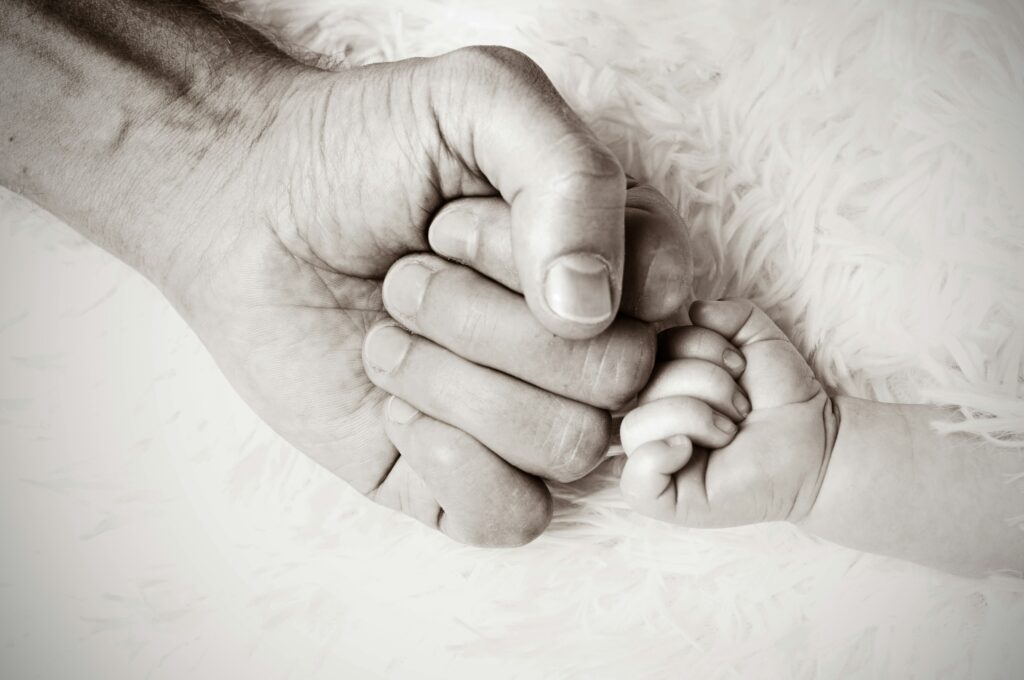
For a long time now, I’ve carried the thought of writing about the disease that took my dad away. He was 69 when he passed away. Still young to enjoy his retirement life.
It’s a rare illness — one that slowly robs a person of coordination, movement, and balance. My father, once full of energy and constantly on the move, disappeared from our lives one morning without warning. Only when someone so close is no longer with us do we truly grasp how fragile and fleeting life is.
During the pandemic, my mom began noticing visible signs. Dad started falling backward. The man who used to finish his bath in minutes now took 30–45 minutes. He seemed constantly exhausted. Sensitive and intuitive, Mom quickly picked up on these changes. She had never seen him like this before.
As children, we sensed something had changed. We initially blamed it on age. But when his steps became slow and baby-like, we knew—we had to take him to the doctor.
You might wonder why we didn’t have him checked before, the reason being he was very particular about his doctors. He used to consult with just one doctor at Bangalore. He disliked visiting doctors for any health checkup.
When we finally took him to our physician, he ordered for a Brain MRI. The MRI showed multiple clots, and treatment began immediately as the doctor also suspected a stroke. The doctor also indicated early stages of Parkinsons due to dad’s hand tremors. Dad was put on medication and the tremors did reduce with little difference to his falls and balance issues. That’s when our physician advised for consultation from a Neurologist.
The Neurologist diagnosed that dad has Progressive Supranuclear Palsy. It is a disease many are unaware about. It is a rare neurodegenerative disorder. The hardest part? There is no cure for Progressive Supranuclear Palsy. Only therapies can help manage the symptoms — physiotherapy, occupational therapy, speech therapy — but even then, they can only do so much. You’re not fighting the disease itself; you’re just trying to slow its grip on someone you love.
The day I got to know about the diagnosis; it was unnerving because there is no clue when it all began and how far we are into it. How long is he going to be with us? Sometimes even the best specialists say the most painful thing: he will be so as long as he lives.
Despite all the therapies, Dad’s brain was slowly shutting down. He didn’t feel pain when he fell—his body no longer responded. The once-independent man now needed help just to stand. His eyes looked distant, his memory faded, and he spent most of the day drowsy. A man who once loved numbers could no longer count beyond 1000. Watching him fade into that darkness was heartbreaking. Yet, in his strong-willed way, he always insisted he was perfectly fine.
What made me peeved is the extended family’s ignorance and offering advise for Parkinson’s, Dementia or Alzheimer’s unaware of his actual condition. So, here’s one thing I wish people would consider: if you don’t know what someone is going through, please don’t offer unsolicited advice.
Watching someone you love go through a disease like this causes a kind of pain that’s impossible to put into words — it’s something only those who’ve lived it can understand. Life is unpredictable and we take it a bit too much for granted.
Love you Dad and Miss you. Hope you are hale and hearty wherever you are.